Find out how a GC Can Enhance Efficiency and Success in Your Construction Projects
A commercial general contractor is vital in the building sector. This expertise streamlines project management, leading to improved performance and positive results. By coordinating communication among involved parties and using their connections with subcontractors, they assist in navigating the complexities of building endeavors. Understanding local building codes also lessens potential legal problems. This raises an important question: how do these factors combine to transform the construction process?
The Role of a General Contractor
A general contractor manages the intricate operation of construction projects, making sure all parts runs smoothly from beginning to end. They are the central point of communication, liaising between various involved parties, including owners, subcontractors, and suppliers. This role involves careful organization, scheduling, and budgeting to keep projects on schedule and financial constraints.
The contractor manages all construction activities, guaranteeing adherence with building codes, safety regulations, and standard specifications. They are responsible for obtaining necessary permits and managing any legal requirements associated with the project. In addition, they supervise the labor force, assigning tasks to tradesmen while monitoring performance and productivity.
In addition to managing day-to-day work, the contractor addresses any issues or delays that arise, adjusting strategies as necessary to keep the project on track. This thorough supervision is essential for lowering risk and securing the successful completion of commercial construction projects.
Benefits of Hiring a General Contractor
Working with a general contractor offers numerous advantages that can significantly improve the efficiency and success of a construction job. One key benefit is their expertise in managing complex projects, enabling better communication among examine guide various parties involved. This consolidation minimizes misunderstandings and helps avoid setbacks.
Furthermore, general contractors maintain strong ties with subcontractors and suppliers, guaranteeing prompt access to high-grade supplies and expert tradespeople. This structure often results in cost savings and better project schedules.
General contractors also offer a deep understanding regarding local building codes and regulations, which assists in avoiding regulatory problems and costly fines.
Additionally, hiring a general contractor lets clients prioritize their core business activities, instead of being burdened by day-to-day construction administration. Taken together, having a contractor involved often yields a more systematic, effective, and successful construction endeavor, which ultimately results in a greater financial return.
Key Responsibilities in Construction Oversight
Successful project execution copyrights on multiple essential roles that a general contractor has to fulfill during the entire building phase. A primary aspect of this job involves creating a precise project outline, which outlines the objectives, deadlines, and budgetary constraints. The contractor collaborates with different parties, such as architects, subs, and vendors, guaranteeing seamless communication and teamwork.
Moreover, they handle assigning resources, managing labor and materials to improve productivity. Analyzing potential problems is another critical responsibility, as the contractor needs to recognize possible obstacles and develop plans to lessen their impact. Frequent oversight of work is crucial; the contractor assesses finished work relative to key stages, making necessary changes to keep on schedule.
Furthermore, a general contractor ensures adherence to safety rules and construction standards, creating a safe workplace. By fulfilling these duties, they keep a detailed strategy in project oversight, leading to total success in building projects.
General Contractors: Ensuring Projects Finish On Time
Even though timeline issues often arise in building, general contractors utilize strategic methods and active administration to guarantee timely project completion. They first establish detailed timelines that outline each phase of the project, including milestones and deadlines. When separating the work into smaller tasks, they manage resource distribution well and predict future holdups.
Frequent status checks is another critical aspect; general contractors assess project status against the established timeline, making modifications as required. They also engage in risk management, recognizing potential hurdles quickly and creating backup strategies to lessen interruptions.
Moreover, general contractors foster good ties with suppliers and specialized workers, guaranteeing labor and materials are accessible when needed. This proactive approach encourages responsibility across all involved parties, contributing to a optimized work procedure. In the end, these methods lead to enhanced efficiency, decreasing the possibility of overruns and making sure that jobs are delivered punctually.
Improving Communication and Teamwork at the Jobsite
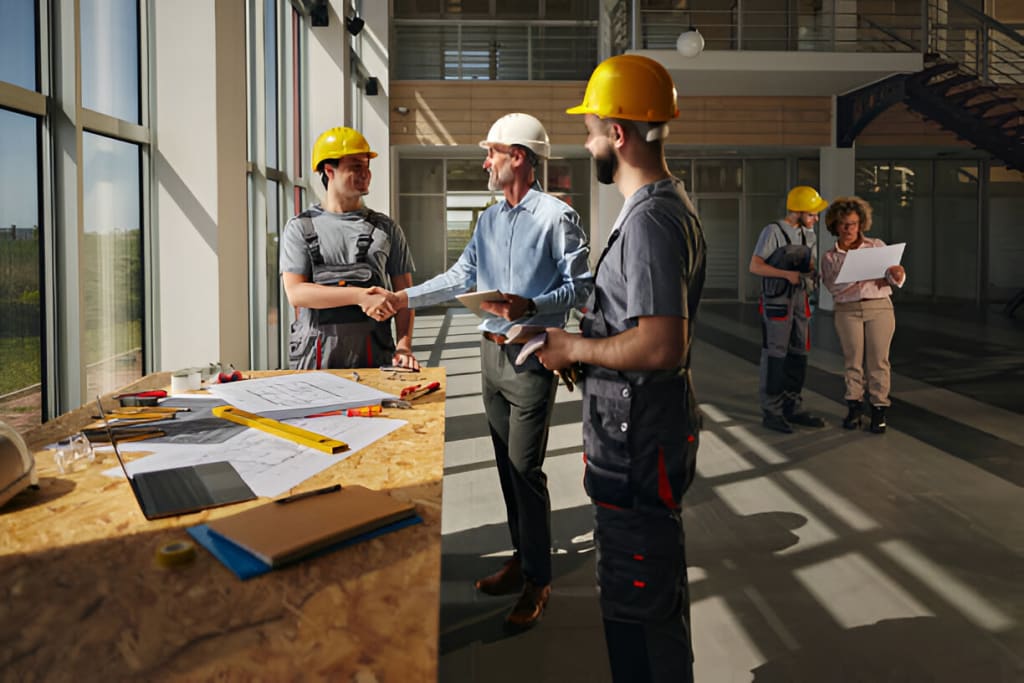
To enhance communication and teamwork at job sites, GPs establish defined procedures that facilitate information flow between every member of the team. These methods usually comprise regular meetings, unambiguous methods for issue reporting, and the use of digital tools that enable immediate status reports. By establishing a framework for dialogue, contractors guarantee that all stakeholders—architects, subcontractors, and workers—are aligned on project goals and timelines.
Moreover, fostering a culture of transparency allows issues to be resolved quickly, decreasing the possibility of misunderstandings that could result in postponements. GPs also welcome input from all levels of the workforce, knowing that perspectives from on-site personnel can considerably improve project efficiency. By prioritizing communication and collaboration, general contractors do more than just optimize processes but also boost employee satisfaction, which helps ensure the success of construction efforts. The result is a more unified operational setting where challenges are met with shared solutions.
Frequently Asked Questions
What Qualifications Should I Look for in a General Contractor?
When looking for a GC, one should prioritize qualifications such as licensing, insurance, experience in relevant projects, strong references, and strong interpersonal skills. These factors contribute greatly to successful project execution and overall client satisfaction.
In What Way Do GCs Manage Project Budgeting?

General contractors manage project budgeting by calculating expenses, obtaining quotes from subs, keeping tabs on spending, and making budget changes as required. Hickory top rated Commercial General Contractor. They guarantee financial resources are appropriate for the project, maximizing efficiency and reducing monetary exposure
Can a General Contractor Assist With Permits and Regulations?
Absolutely, a GC is able to help with permits and regulations by providing direction on the difficult mandates, making certain local statutes are followed, and facilitating the application process, thereby accelerating the project and minimizing potential delays for clients.
What Is the Typical Timeline for Retaining a Building Contractor?

The average period for hiring a general contractor spans a few weeks to several months, based on the complexity of the project, how available the contractor is, and the client's decision process, ensuring proper planning and alignment with the construction goals. - Hickory top rated Commercial General Contractor
- Hickory top rated Commercial General Contractor
What Methods Do General Contractors Use to Effectively Manage Subcontractors?
Effective management of subcontractors by general contractors is achieved by ensuring communication is clear, setting defined expectations, keeping a close eye on progress, and aligning timelines. General contractors ensure all parties know their roles, promoting teamwork to keep the project on schedule and quality standards.